
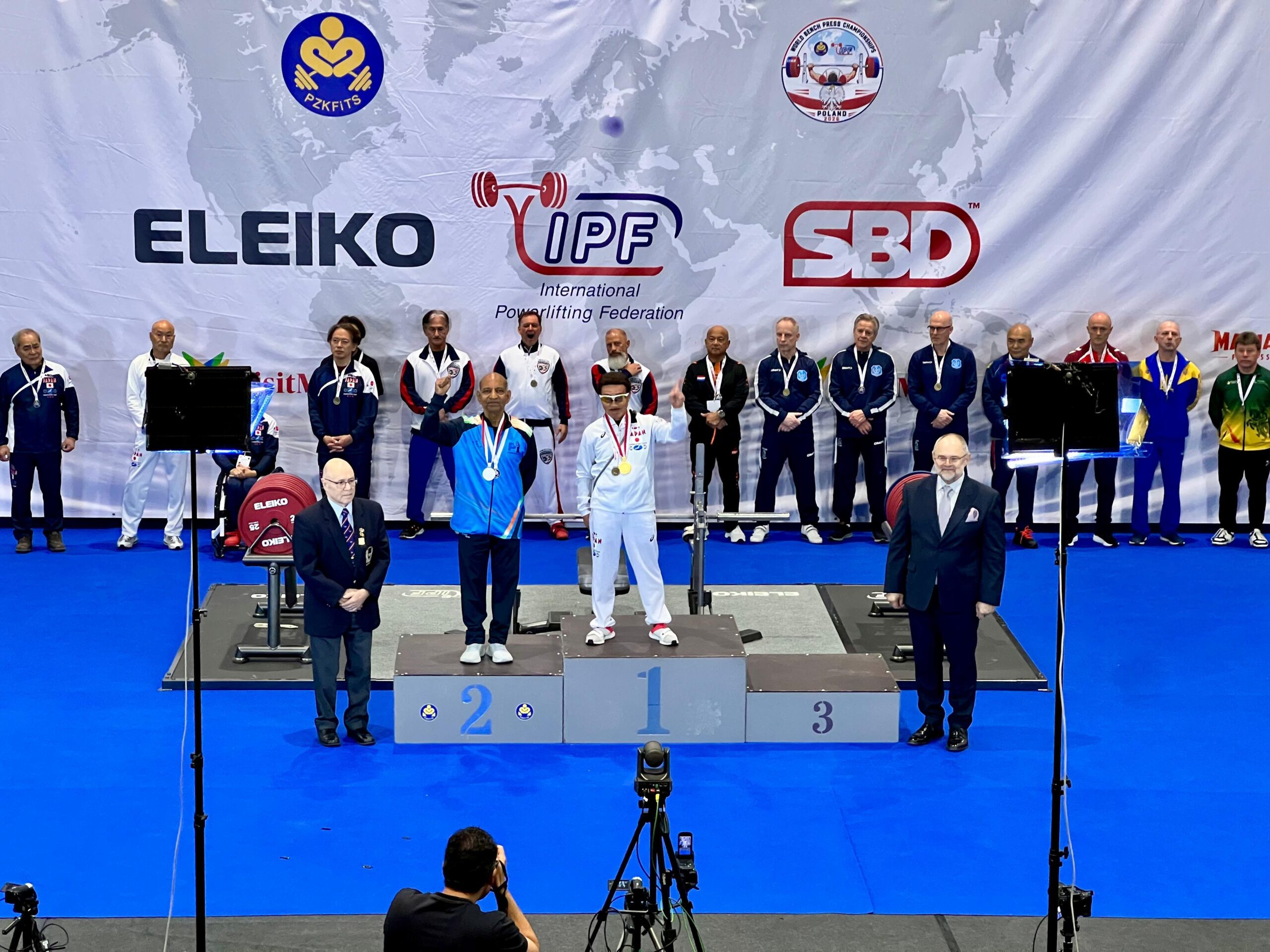
A 73-year-old competitive powerlifter walked into JointsnMotion with an MRI showing a full-thickness supraspinatus tear — and a World Bench Press Championship booked in 15 days. Fifteen days later, he stood on the podium with Silver. This is how it happened.
When the MRI Says One Thing — and the Athlete Says Another
In most clinical settings, a full-thickness supraspinatus tear in a 73-year-old triggers conversations about surgery, activity restriction, and competitive retirement. But what if the patient in front of you is still bench pressing 40 kilograms, has full shoulder range of motion, no night pain — and has the World Championship in two weeks?
This is the story of Mr. Asthana — a competitive powerlifter who came to JointsnMotion's clinic in Thane with imaging that looked alarming, and a shoulder that largely disagreed with it. Under the clinical direction of Dr. Sudarshan Singh and the hands-on rehabilitation of Dr. Neha B., Mr. Asthana didn't just recover — he competed at the World Bench Press Championship and came home with Silver.
"The imaging showed a significant structural tear. But the patient in front of me was lifting weights, had full range of motion, no night pain, no weakness — and was asking how to compete safely in two weeks."
— Dr. Sudarshan Singh, Founder & Clinical Director, JointsnMotionThis case is a masterclass in one of the most important principles in modern musculoskeletal physiotherapy: treat the patient, not the MRI.
A Competitive Powerlifter Preparing for the World Stage
Mr. Asthana, 73, presented with mild shoulder discomfort during overhead activities and specific phases of bench press training. A seasoned gym-goer with decades of heavy training history, he was actively preparing to compete at the World Bench Press Championship.
His complaints were specific and contained:
- 1
Pain during shoulder abduction and flexion beyond approximately 100° — with discomfort resolving once the movement crossed that arc. A classic painful arc presentation.
- 2
Mild discomfort at end-range internal rotation only.
- 3
No night pain, no instability, no gross weakness, and no meaningful limitation in activities of daily living.
Despite these symptoms, he was continuing to bench press 40 kg with only minor restriction at end range. This was not a patient in crisis — this was an athlete with a mechanical irritation that needed targeted management, not surgery.
A Shoulder That Performed Far Better Than the Scan Suggested
Physical examination told a very different story from the MRI report. Every major parameter of shoulder function was preserved:
Full active and passive range of motion in all planes
No weakness in the rotator cuff or deltoid musculature
Painful arc during abduction and flexion beyond 100° only
End-range discomfort during internal rotation — no other restriction
Functional strength preserved for sport-specific bench press loading
No limitation in activities of daily living whatsoever
What the Scan Showed — and Why It Wasn't the Whole Story
The MRI revealed findings that, viewed in isolation, would concern most clinicians:
- 1
Full-thickness tear of the supraspinatus tendon — the primary structural finding
- 2
Mild oedema within the supraspinatus muscle belly — consistent with chronic loading
- 3
Fluid signal in the subdeltoid-subacromial bursa — bursitis contributing to the painful arc
- 4
Mild glenohumeral joint effusion with distension of the subcoracoid bursa
- 5
Degenerative AC joint arthrosis — consistent with decades of high-load training
The clinical impression was clear: symptoms were driven by mechanical subacromial impingement and bursitis — not by gross rotator cuff insufficiency. The tear was structural but not functionally limiting, compensated by decades of progressive strength training.
The Clinical Principle
"MRI findings do not always dictate function. Clinical presentation and individualised rehabilitation remain the cornerstone of successful management."
Designed by Dr. Neha B., Guided by Dr. Sudarshan Singh
With 15 days to competition, the rehabilitation goals were tightly scoped. Dr. Neha B. designed and delivered a four-pillar conservative programme — controlling subacromial irritation, optimising scapular mechanics, and preserving bench press performance through sport-specific load management.
🔹 Scapular Stabilisation
- Band rows
- Serratus anterior activation
- Scapular setting exercises
- Face pulls
🔹 Rotator Cuff Conditioning
- External rotation strengthening
- Scaption exercises
- Front raises — pain-free range
- Isometric cuff activation
🔹 Closed Chain Stability
- Wall push-ups
- Ball-on-wall proprioception drills
🔹 Bench Press Modifications
- Reduced training loads
- Controlled eccentric phase
- Elbow tuck and optimised bar path
- Avoid painful end-range positions
- Structured competition taper
The strategy was precision load management: reduce subacromial irritation without deconditioning the cuff, and modify technique to keep the impingement arc entirely outside the bench press movement pattern. It worked.
📸 World Bench Press Championship — The Proof
From the JointsnMotion Clinic to the World Podium
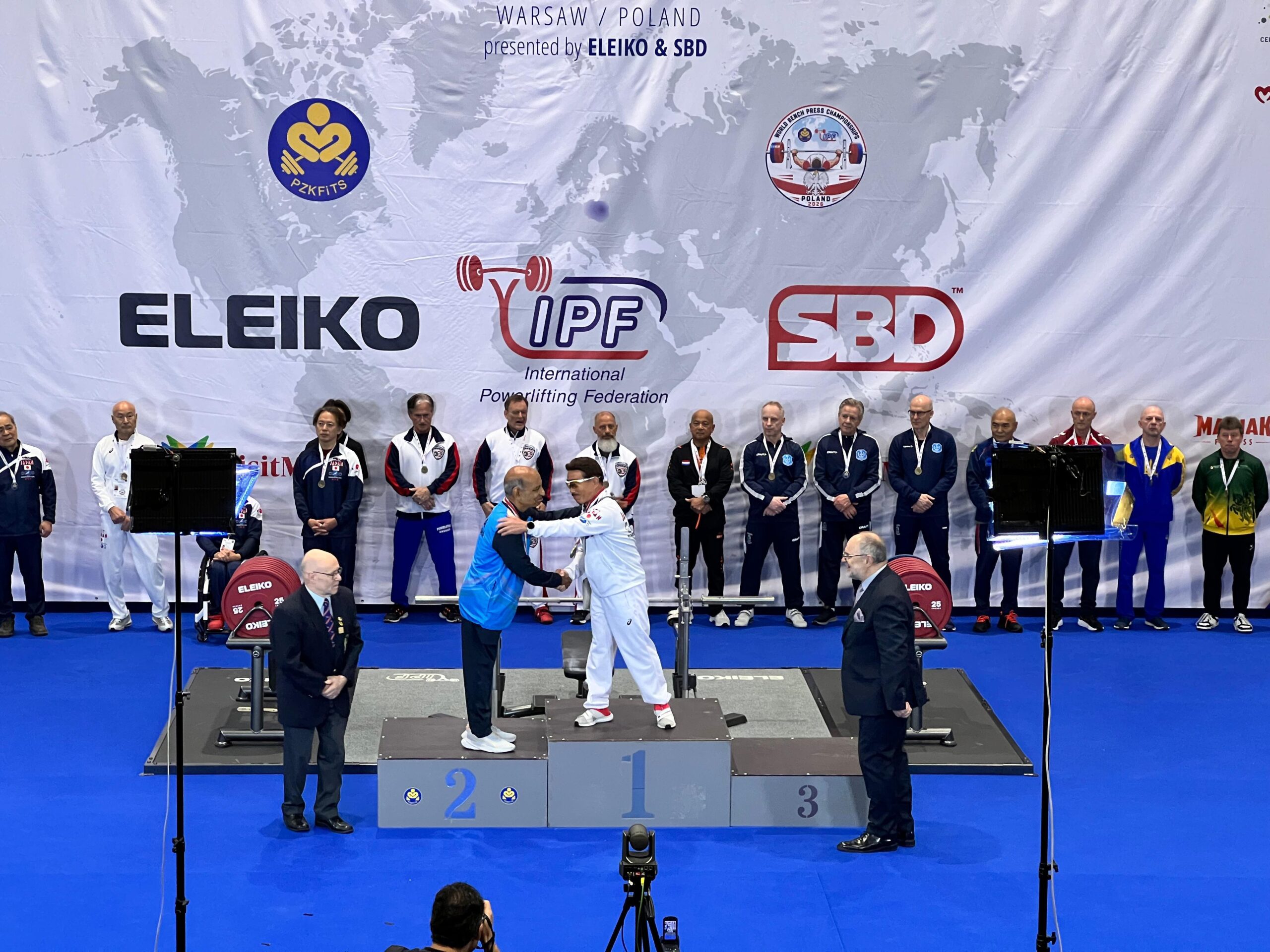
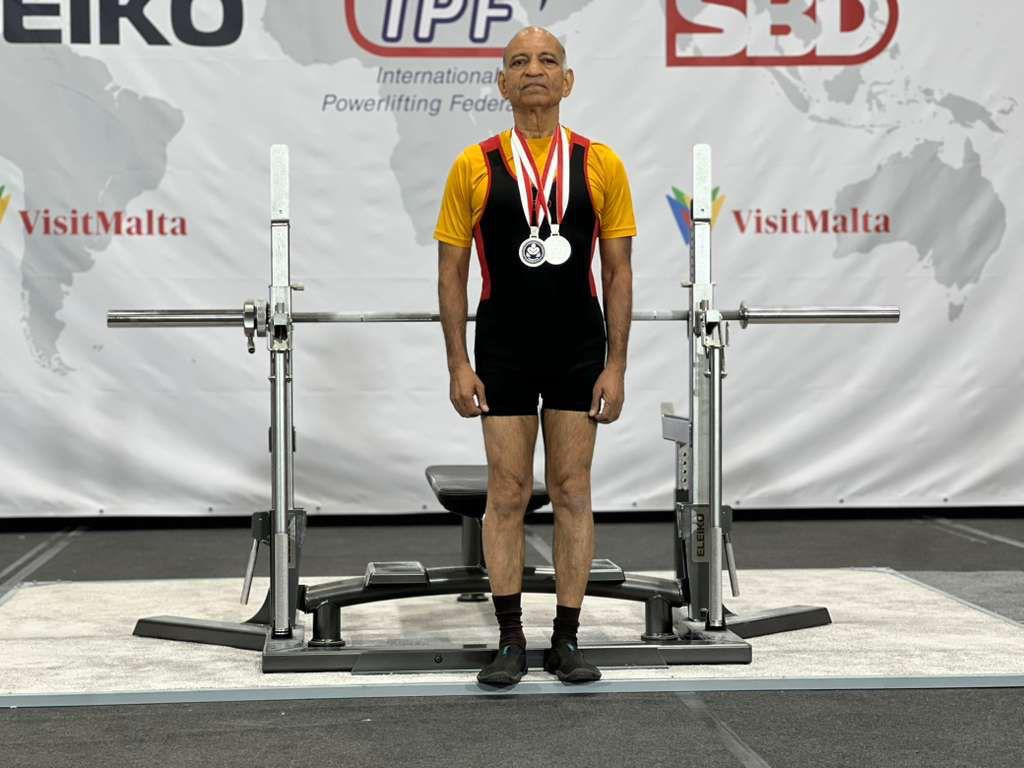
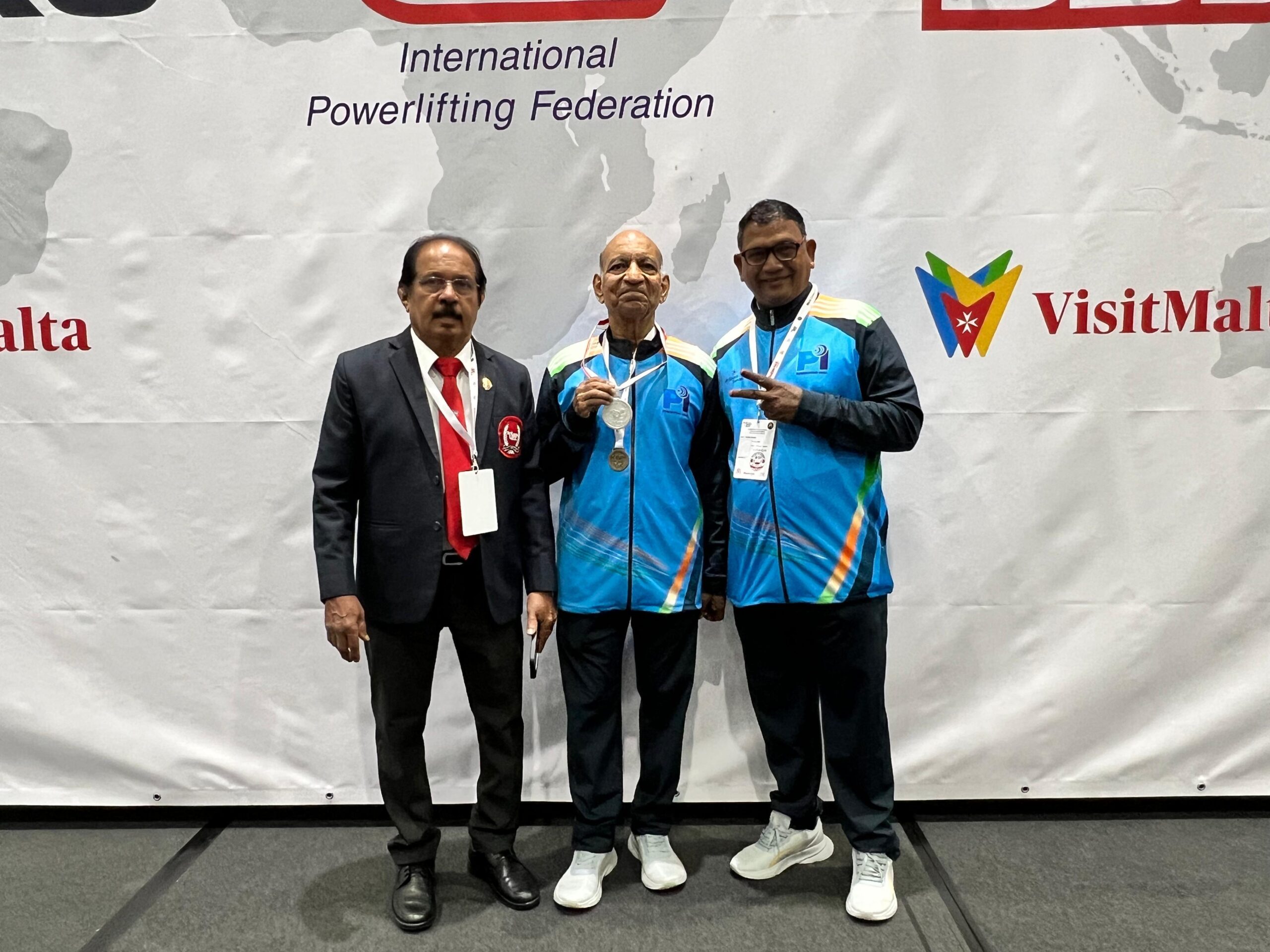
Fifteen days after his first consultation at JointsnMotion Thane, Mr. Asthana competed at the World Bench Press Championship. These photographs document what followed.
🎬 Video Testimonial
In His Own Words — Mr. Asthana's Journey
Hear directly from Mr. Asthana — from his initial presentation with shoulder pain to competing on the world stage 15 days later.
What This Case Teaches Us About Rotator Cuff Tears
Full-thickness supraspinatus tears are far more common in asymptomatic individuals than most patients realise — especially those over 60 with high lifetime activity levels. Population-based MRI studies consistently show structural pathology and functional capacity do not correlate linearly.
In Mr. Asthana's case, several factors converged to preserve function despite significant imaging findings:
Why Function Was Preserved Despite a Full-Thickness Tear
- Decades of strength training had built robust compensatory musculature — subscapularis, infraspinatus, teres minor, and deltoid all sharing the load that the supraspinatus could no longer carry alone.
- The tear was chronic, not acute — the neuromuscular system had long since adapted, maintaining glenohumeral stability without the supraspinatus at full integrity.
- Symptoms were impingement-mediated, not cuff-insufficiency-driven — the bursitis was the primary pain generator, not tendon failure under load.
- Bench press mechanics are favourable — the horizontal push keeps the shoulder below the impingement arc that overhead activities provoke.
The role of physiotherapy here was to reduce subacromial irritation, optimise scapulothoracic mechanics, and build athletic confidence through evidence-based progressive loading. That is precisely what Dr. Neha B. and Dr. Sudarshan Singh achieved.
Conservative Physiotherapy Won Where Surgery Was Never Required
Mr. Asthana's case is a powerful illustration of evidence-based conservative management. A 73-year-old competitive powerlifter — with a full-thickness supraspinatus tear, subacromial bursitis, and AC joint arthrosis — maintained full function, completed a targeted two-week rehabilitation programme, and won Silver at the World Bench Press Championship.
This outcome was not luck. It was the result of accurate clinical reasoning, a decision to let the physical examination guide management rather than the MRI, and a sport-specific rehabilitation plan delivered with expertise by the JointsnMotion team.
For patients across India who have been handed an MRI report and told surgery is the only path — this case is evidence that another path exists. It begins with a thorough clinical assessment by a qualified physiotherapist who understands the difference between structural findings and functional impairment.
Managed at JointsnMotion, Thane
Mr. Asthana's care was led by JointsnMotion's clinical team — combining 24 years of strategic expertise with hands-on rehabilitation delivery.
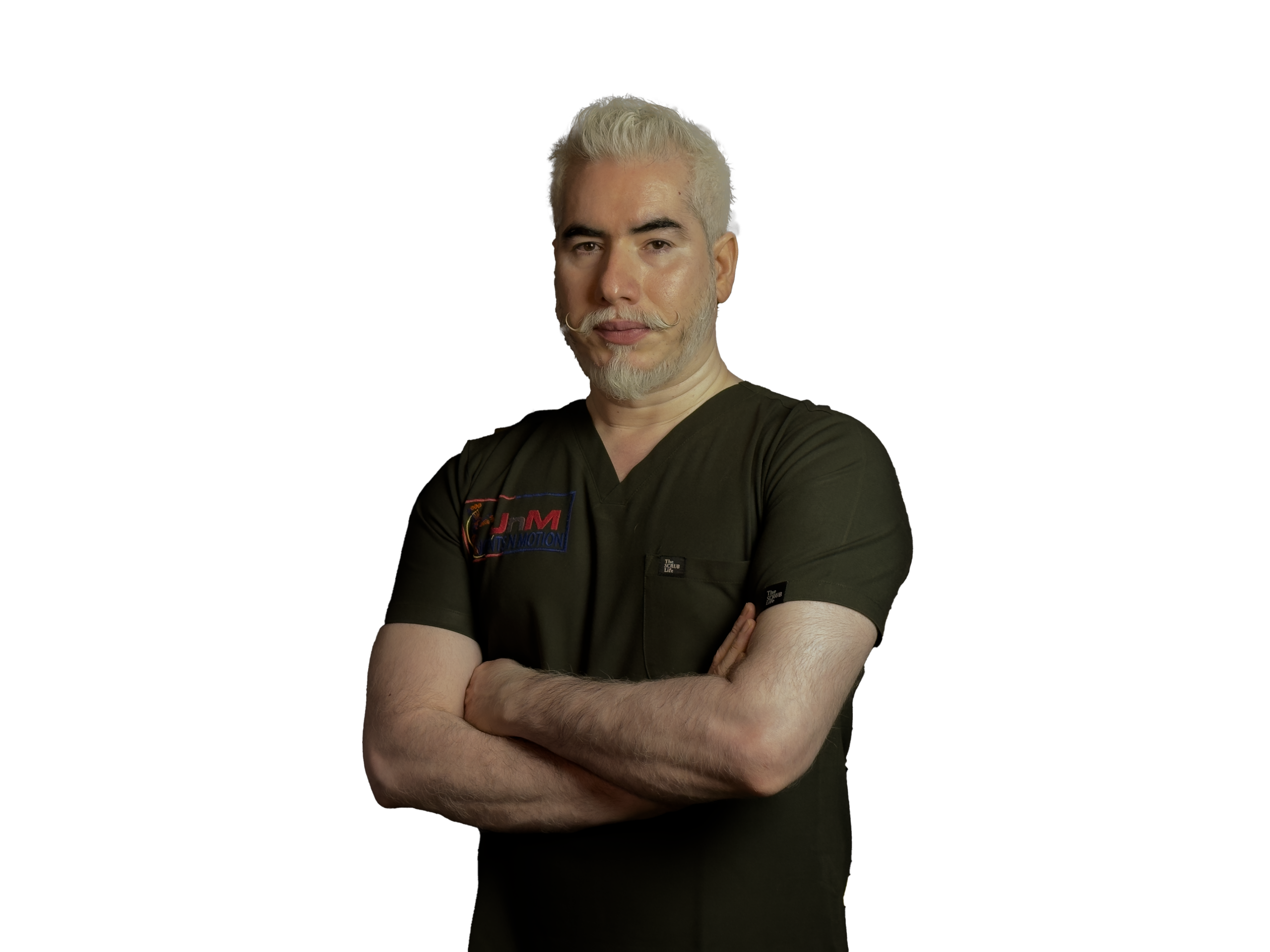
Clinical Director & Founder
Dr. Sudarshan Singh
24+ years in chiropractic and physiotherapy. Specialist in sports rehabilitation, spinal care, and conservative musculoskeletal management. Guided clinical strategy and competition clearance for this case.

Physiotherapist & Tele Rehab Specialist
Dr. Neha B.
Designed and delivered the complete rehabilitation programme for Mr. Asthana. Specialises in shoulder rehab, sports conditioning, and structured online physiotherapy via JointsnMotion's Tele Rehab service.
Shoulder Pain? Get a Proper Clinical Assessment First.
Don't let a scan report decide your future. Speak to our physiotherapy team at JointsnMotion, Thane — in clinic or via Tele Rehab from anywhere in India.
📞 +91 85756 00040 · Online: 24/7